Choosing a Reliable Used Car: Inspection Checklist
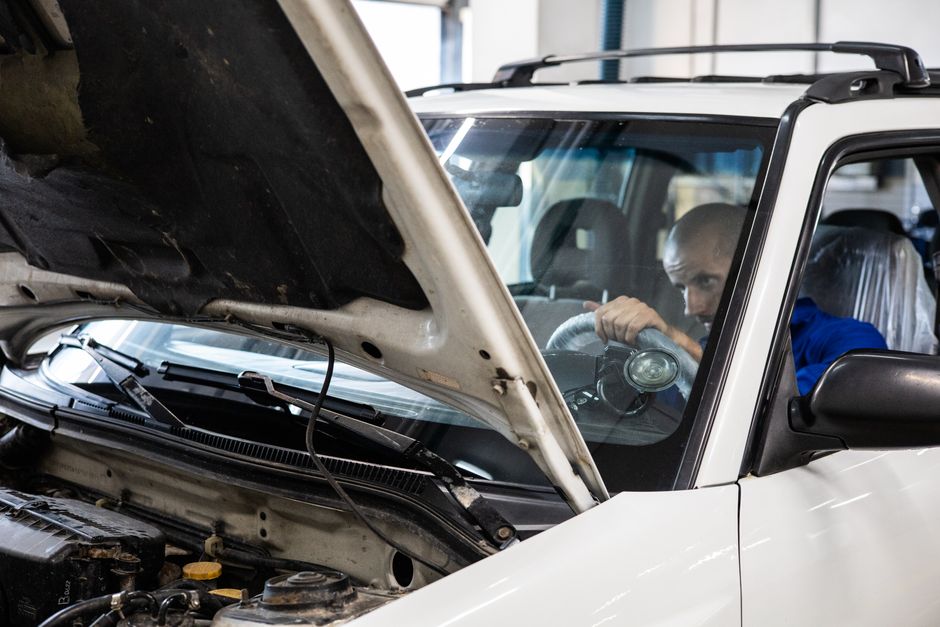
When considering the purchase of a pre-owned vehicle, a systematic inspection can provide valuable insights into its condition and history. This process involves examining various aspects, from documentation to physical components, to make an informed decision. The goal is to identify potential issues that may affect the vehicle’s reliability and safety, allowing for a more transparent transaction.
A thorough evaluation includes reviewing the service records, inspecting the exterior and interior for signs of wear or damage, and conducting a test drive to observe performance. Each step offers clues about how the vehicle has been maintained and whether it may require significant repairs in the near future. Being methodical and attentive to details can help avoid unforeseen problems.
In this article, we outline key points to examine during a used car inspection, emphasizing a neutral and informational approach. The focus is on observable factors and contextual considerations, without guaranteeing outcomes or providing definitive recommendations. The information is intended for educational purposes and should be supplemented with professional advice as needed.
Reviewing Service History and Documentation
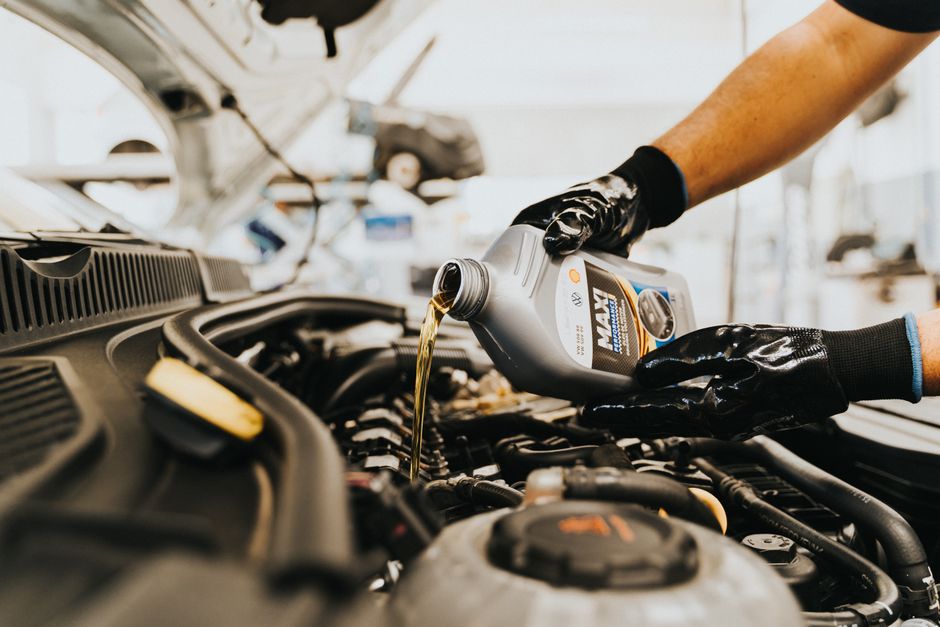
The service history of a pre-owned vehicle offers a record of its maintenance and repairs over time. Requesting these documents from the seller can reveal patterns of care, such as regular oil changes, timing belt replacements, and other scheduled services. A complete and consistent history may indicate responsible ownership, while gaps or missing records could suggest neglect or undocumented issues. It is important to verify that the services were performed at appropriate intervals and by qualified technicians.
In addition to service records, examine the vehicle’s title and registration documents for any discrepancies or signs of salvage, flood, or lemon status. These documents can provide information about previous accidents, insurance claims, or legal issues that may affect the vehicle’s value and insurability. Cross-checking the vehicle identification number (VIN) with online databases or a trusted mechanic can help confirm the accuracy of the provided information.
Auto Insight suggests that a comprehensive review of paperwork is a fundamental step in understanding a vehicle’s past. However, even with complete records, it is wise to have a third-party inspection to verify the current condition, as documentation may not reflect recent problems or pending repairs.
Examining the Exterior for Rust and Damage
The exterior of a used car can show signs of age, exposure, and previous repairs. Begin by inspecting the body panels for rust, particularly in areas prone to moisture accumulation, such as wheel wells, rocker panels, and undercarriage. Surface rust may be cosmetic, but deep or perforating rust can compromise structural integrity and lead to costly repairs. Check for mismatched paint or uneven panel gaps, which might indicate accident damage or poor repair work.
Examine the tires for tread depth and uneven wear, as this can reflect alignment issues or suspension problems. The condition of the lights, mirrors, and glass should also be assessed for cracks or fogging. A test of all exterior features, including doors, windows, and trunk, can reveal mechanical or electrical faults. Taking note of these details can help gauge the vehicle’s overall maintenance and care.
While some cosmetic flaws may be acceptable depending on the vehicle’s age and price, significant rust or damage may warrant further investigation. A professional body shop can provide a more detailed assessment of the extent and cost of repairs, which can inform negotiation or decision-making.
Inspecting the Interior and Electrical Systems
The interior of a pre-owned vehicle offers clues about its usage and care. Check the seats, carpets, and headliner for stains, tears, or excessive wear that may indicate heavy use or water damage. Odors, such as mildew or smoke, can be difficult to remove and may signal underlying issues like leaks or flood exposure. Test all interior features, including air conditioning, heating, audio system, and power accessories, to ensure they function correctly.
Electrical systems, including dashboard warning lights, should be evaluated. Illuminated warning lights, such as check engine or airbag indicators, may point to faults that require diagnostic scanning. A mechanic can retrieve trouble codes and provide a more precise diagnosis. Additionally, inspect the spare tire, jack, and other included tools for completeness and condition.
It is advisable to verify that all electronic components, from windows to infotainment systems, operate as expected. Malfunctions in these areas can be expensive to repair and may affect the vehicle’s overall usability. Noting any issues during the interior inspection can help prioritize which problems to address before purchase.
Conducting a Test Drive and Observing Red Flags
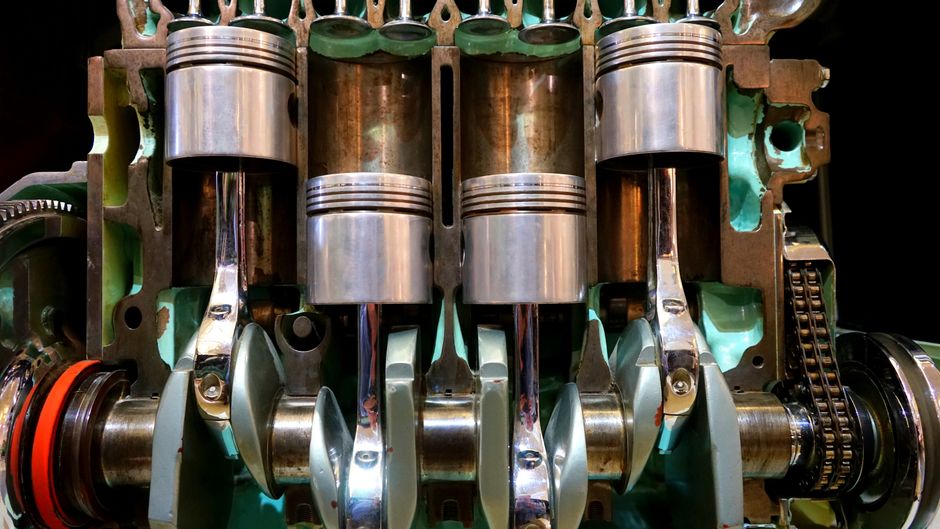
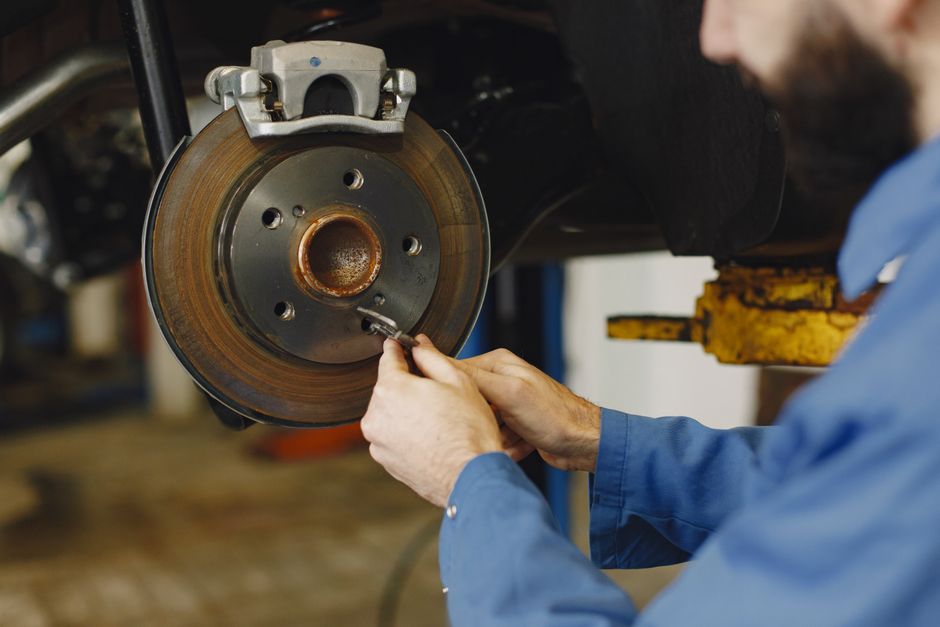
A test drive is a critical opportunity to observe the vehicle’s performance under various conditions. Start the engine and listen for unusual noises, such as knocking, ticking, or squealing, which may indicate engine or transmission problems. Pay attention to the transmission’s shifting behavior—rough or delayed shifts could suggest internal wear. Brake performance should be smooth and responsive; any pulsation or noise may indicate worn pads or rotors.
During the drive, test the steering for alignment and responsiveness. A vehicle that pulls to one side or has a loose steering feel may have suspension or steering issues. Observe the exhaust for smoke, which can indicate oil burning or other engine problems. Additionally, check the temperature gauge and other instruments for abnormal readings.
Red flags during a test drive include difficulty starting, stalling, or unusual vibrations. These symptoms may require further inspection by a qualified mechanic to determine the cause and potential cost of repair. It is also important to drive on different road types to assess handling and comfort.
After the test drive, discuss any observations with the seller and consider having a pre-purchase inspection performed by an independent mechanic. This can provide a more comprehensive understanding of the vehicle’s condition and help identify issues that may not be apparent during a brief test drive.
Seeking Professional Assessment and Making an Informed Decision
Even after a thorough inspection, a professional pre-purchase inspection by a certified mechanic can uncover hidden problems that may not be obvious to an untrained eye. This service typically includes a detailed examination of the engine, transmission, suspension, brakes, and electrical systems, often with a written report. The cost of such an inspection can be offset by the potential savings from avoiding a problematic vehicle.
When evaluating the inspection results, consider the overall condition, mileage, age, and market value of the vehicle. Compare the asking price with industry valuation guides and factor in any needed repairs. Negotiations can be based on the findings, but it is important to remain realistic about the vehicle’s worth and the cost of ownership.
Ultimately, the decision to purchase a used car involves balancing various factors, including reliability, safety, and budget. While a checklist can guide the process, each vehicle is unique, and outcomes depend on multiple variables. Consulting with trusted professionals and taking the time to review all available information can support a more informed choice.
Remember that no inspection can guarantee future performance; regular maintenance and responsible driving remain essential for any vehicle’s longevity.