Essential Car Maintenance Schedule for Longevity
Maintaining a vehicle according to a structured schedule is a fundamental aspect of responsible ownership. A consistent maintenance routine involves a series of inspections, replacements, and adjustments designed to preserve the vehicle’s operational condition over time. While many drivers understand the general importance of service, the specific intervals and procedures can vary significantly based on manufacturer specifications, driving habits, and environmental conditions. This article outlines key components of an essential car maintenance schedule, focusing on oil changes, filter replacements, and fluid checks as core activities that support vehicle longevity.
Regular maintenance is not solely about avoiding unexpected repairs; it is also about ensuring that the vehicle continues to perform within the parameters set by its designers. By adhering to a schedule that includes periodic oil and filter changes, as well as fluid level and condition inspections, owners can address wear and degradation before they escalate. It is important to note that no two vehicles are identical, and the information presented here serves as a general framework. Vehicle owners are encouraged to consult their owner’s manual and seek guidance from qualified professionals to tailor a maintenance plan to their specific circumstances.
Understanding Oil Change Intervals
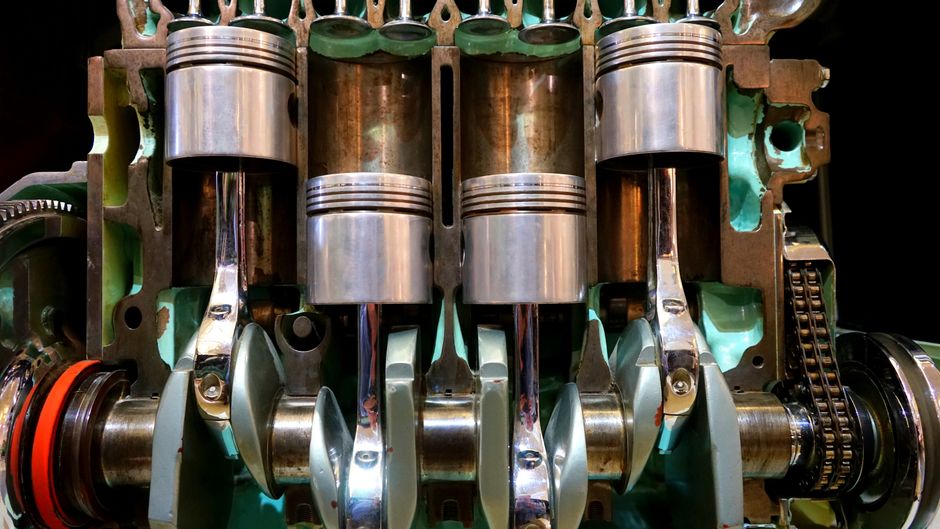
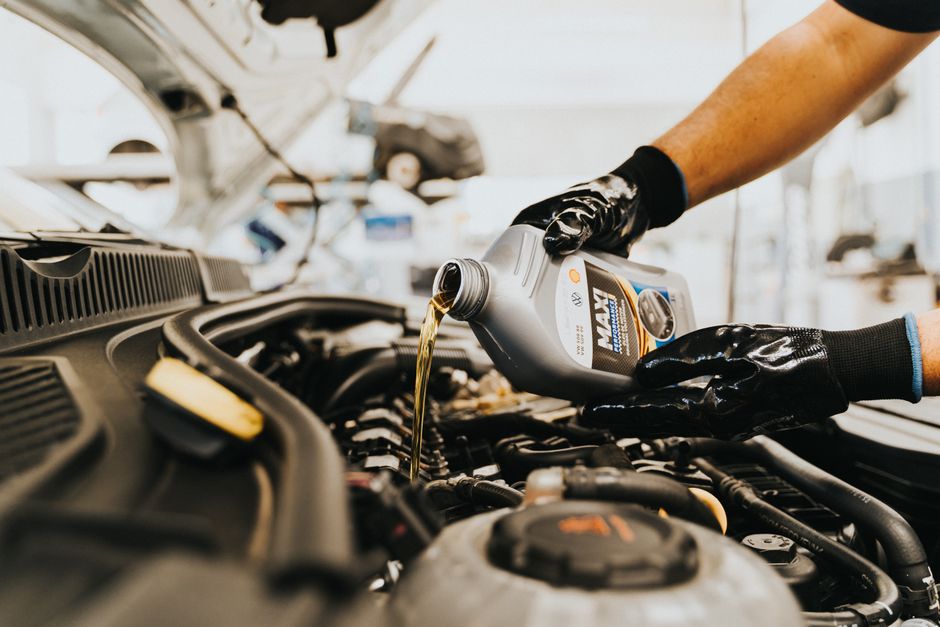
Oil serves as the lifeblood of an internal combustion engine, providing lubrication, cooling, and cleaning functions. Over time, oil breaks down due to heat, contaminants, and shear stress, reducing its ability to protect engine components. The interval at which oil should be changed depends on several factors, including the type of oil used (conventional, synthetic blend, or full synthetic), the age and design of the engine, and the driving conditions. Many modern vehicles with advanced engine designs and synthetic oils can go longer between changes, while older vehicles or those subjected to severe service may require more frequent attention.
Severe driving conditions include frequent short trips, extensive idling, towing, and operation in extreme temperatures or dusty environments. Under such conditions, oil degradation accelerates, and the recommended interval may be shorter than the manufacturer’s standard schedule. Conversely, vehicles used primarily for highway cruising under moderate conditions may be able to follow the longer interval specified in the owner’s manual. It is essential to recognize that the “every 3,000 miles” rule, once common, is not universally applicable today. Advances in oil technology and engine manufacturing have extended typical intervals to 5,000, 7,500, or even 10,000 miles, but these figures are not guarantees and should be validated against the vehicle’s specific requirements.
Monitoring oil level and condition between changes is a simple yet valuable practice. Checking the dipstick regularly can reveal low levels or signs of contamination, such as a milky appearance indicating coolant intrusion or a gritty texture suggesting debris. Addressing such issues promptly can prevent more serious damage. For those who prefer to delegate this task, professional service centers like Auto Insight can provide oil analysis and recommend appropriate intervals based on the vehicle’s usage patterns. Ultimately, the goal is to maintain oil integrity within a range that supports engine protection, though outcomes depend on multiple variables and cannot be assured.
Filter Replacements: Oil, Air, and Cabin
Filters play a critical role in trapping contaminants that could otherwise circulate through engine or passenger compartments. The oil filter captures metal particles, dirt, and sludge from the oil, preventing them from re-entering the engine and causing wear. When oil is changed, the filter is typically replaced as well; reusing an old filter can compromise the new oil’s cleanliness. Some manufacturers specify filter replacement at every oil change, while others may allow longer intervals, but following the owner’s manual is advisable. A clogged oil filter can restrict oil flow, leading to inadequate lubrication and potential engine damage.
The engine air filter prevents dust, pollen, and other debris from entering the engine’s intake system. A dirty air filter can reduce airflow, affecting performance and fuel efficiency. Replacement intervals vary widely, often ranging from 15,000 to 30,000 miles, but inspections are recommended during routine oil changes, especially in dusty regions. Similarly, the cabin air filter, which cleans the air entering the passenger compartment, should be checked and replaced periodically to maintain interior air quality. A neglected cabin filter can lead to reduced airflow from the HVAC system and unpleasant odors.
Fuel filters, though less frequently replaced on modern vehicles, also merit attention. They trap contaminants in the fuel before they reach the engine, protecting fuel injectors and other components. Some vehicles have a lifetime fuel filter integrated into the fuel tank, while others require periodic replacement. Checking the owner’s manual for specific guidance is essential. When replacing any filter, using high-quality parts that meet or exceed manufacturer specifications is a prudent practice. Auto Insight emphasizes the importance of proper filter maintenance as part of a holistic approach to vehicle care, noting that the benefits are realized only when all components work in harmony.
Fluid Checks and Services
Beyond oil, vehicles rely on a variety of fluids to function correctly. These include coolant, transmission fluid, brake fluid, power steering fluid, and windshield washer fluid. Each fluid has a specific purpose and requires periodic inspection for level and condition. Coolant, for example, regulates engine temperature and prevents freezing or boiling. Over time, coolant can become acidic and lose its protective properties, leading to corrosion in the cooling system. Checking the coolant level in the reservoir and inspecting its color can indicate whether a flush and replacement are needed. Intervals for coolant service typically range from 30,000 to 100,000 miles, depending on the type of coolant and vehicle design.
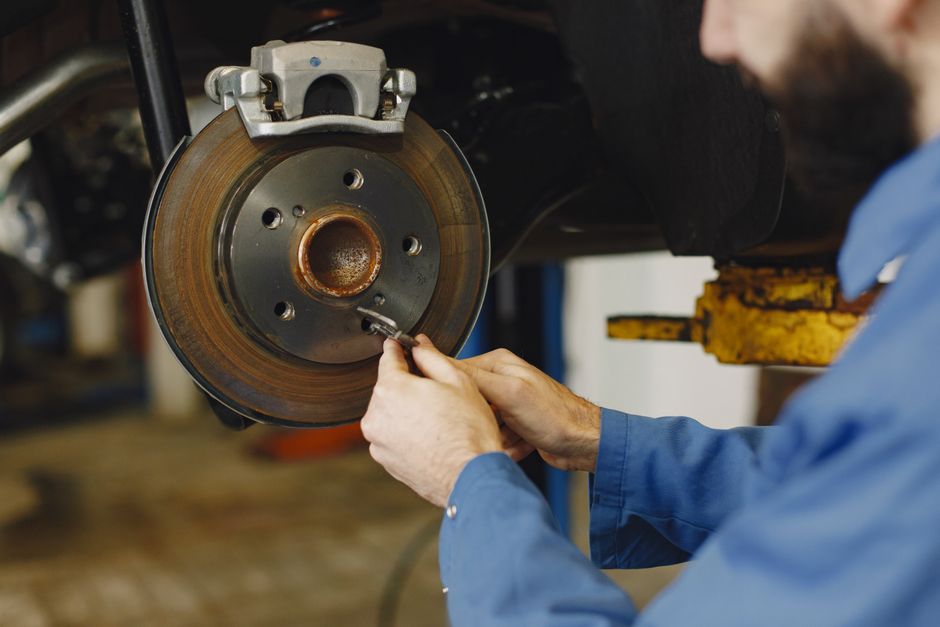
Transmission fluid lubricates and cools the transmission, enabling smooth gear shifts. Manufacturers often specify replacement intervals ranging from 30,000 to 60,000 miles for severe service, though some claim lifetime fluid. However, “lifetime” is a relative term; many professionals recommend periodic changes to extend transmission life. Brake fluid absorbs moisture over time, which can lower its boiling point and reduce braking effectiveness. Testing brake fluid for moisture content or simply replacing it every two to three years is a common practice. Power steering fluid, if applicable, should be checked for level and condition, as low or contaminated fluid can lead to steering difficulties.
Windshield washer fluid is often overlooked but is important for visibility. Topping it off with a proper mixture is a simple task. For all fluids, checking levels when the engine is cool and on a level surface is recommended. If any fluid appears dark, gritty, or has a burnt smell, it may indicate a need for service. While these checks can be performed by vehicle owners, professional inspections can provide a more thorough assessment. Auto Insight suggests that fluid maintenance, like other services, is subject to variability based on driving conditions and should be approached as part of a personalized schedule.
Developing a Personalized Maintenance Schedule
No single maintenance schedule fits all vehicles or driving scenarios. The owner’s manual is the starting point, offering manufacturer-recommended intervals for normal and severe service. However, these recommendations are based on average usage and may not reflect individual circumstances. Factors such as climate, road conditions, load, and driving style can influence wear rates. For instance, a vehicle operated in stop-and-go traffic in a hot climate may require more frequent fluid and filter changes than one driven mostly on highways in a temperate area. Keeping a log of services performed and noting any changes in vehicle behavior can help in adjusting the schedule as needed.
Working with a qualified mechanic or service center can provide insights into the vehicle’s condition and help tailor a plan. Regular inspections can uncover issues that might not be apparent during daily driving. It is also important to use parts and fluids that meet the manufacturer’s specifications. While some owners may choose to perform basic tasks like oil changes themselves, others may prefer to entrust maintenance to professionals. Either way, documentation of all services is beneficial for resale value and for maintaining a clear history.
Ultimately, the goal of a maintenance schedule is to support the vehicle’s longevity and reliability, but it is not a guarantee. Even with meticulous care, unexpected failures can occur due to factors beyond routine maintenance. The information provided here is intended to offer a general framework for understanding key maintenance activities. Auto Insight encourages vehicle owners to view maintenance as an ongoing process of monitoring, adjusting, and addressing needs as they arise, rather than a one-time checklist.
Conclusion: The Role of Consistent Maintenance
In summary, an essential car maintenance schedule encompasses regular oil changes, timely filter replacements, and diligent fluid checks. These activities, when performed at appropriate intervals, contribute to the vehicle’s overall health and performance. However, the effectiveness of any schedule depends on aligning it with the vehicle’s specific needs and operating conditions. By staying informed and proactive, owners can make decisions that support their vehicle’s service life. Remember that no maintenance routine can eliminate all risks, and outcomes are influenced by many external factors. For personalized guidance, consulting a trusted professional is always recommended.